
-
 Appelez-nous +0757 82252350
 -
 Envoyez-nous un email manager@gdboanmachine.com


Pourquoi utilise-t-on l'emballage sous blister dans l'industrie pharmaceutique ?
Ce simple geste de faire passer un comprimé à travers une feuille d'aluminium est pris en charge par un système suffisamment sophistiqué pourprolonger la durée de conservation d'un médicament de plus de 50 %.
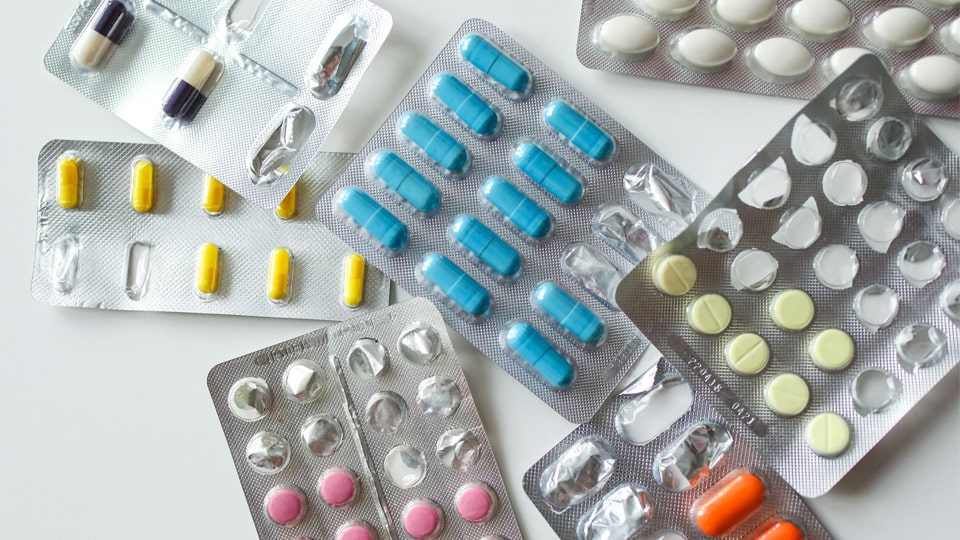
Emballages sous blister médicauxL'emballage blister est un élément fondamental de l'industrie pharmaceutique moderne. Il se compose de cavités individuelles, ou « blisters », formées de plastique transparent, scellées sur un support comme une feuille d'aluminium ou du carton. Ce système crée une barrière primaire pour chaque dose.
Son évolution, d'une simple solution de biens de consommation àLa référence en matière d'administration de médicaments en doses unitairesCe format se distingue par son association unique de protection, de sécurité et de conception centrée sur le patient. Aujourd'hui, il représente le format privilégié pour plus de 70 % des doses orales solides dans le monde.
01 Qu'est-ce qu'un emballage blister ? Concepts et conception de base
Au fond,emballages sous blister médicauxIl s'agit d'un système de cavités en plastique préformées, scellées à un matériau de couvercle. Chaque cavité contient une dose unitaire : comprimé, capsule ou petit dispositif. Le plastique transparent, généralement du PVC, du PP ou des polymères plus techniques, permet un contrôle visuel immédiat.
Le support, souvent une feuille multicouche, est l'élément essentiel de la protection barrière. Cette conception fondamentale le distingue des autrestypes d'emballage de médicamentscomme des bouteilles ou des sachets, offrant une isolation supérieure du produit.
Le processus d'emballage est hautement automatisé.Machine d'emballage sous blistertElle thermoforme le film plastique en cavités précises, les remplit de produit, applique le film de scellage et le scelle sous une chaleur et une pression contrôlées, le tout à des vitesses dépassant des centaines d'emballages par minute.
02 Principaux avantages favorisant l'adoption par l'industrie
Le principal facteur estprotection supérieure du produitChaque alvéole agit comme une barrière miniature, protégeant le médicament de l'humidité, de l'oxygène et de la lumière. Ceci est essentiel à sa stabilité. Pour les médicaments extrêmement sensibles,blisters Alu-Alu formés à froidassurer une étanchéité quasi hermétique, en utilisant de l'aluminium pour la plaquette thermoformée et le couvercle afin d'offrir la barrière la plus élevée possible.
Deuxièmement, cela amélioresécurité et observance du traitement par les patients.plaquettes thermoformées de médicamentsCes emballages sont intrinsèquement inviolables ; toute altération est immédiatement visible. Le format unitaire élimine toute confusion, réduit les erreurs de dosage et, lorsqu’il est présenté sous forme de conditionnements calendaires, améliore considérablement l’observance thérapeutique pour les maladies chroniques.
Du point de vue de la production, c'estefficace et rentable. Grande vitesseMachine d'emballage sous blisterLes lignes offrent un rendement impressionnant avec un minimum de déchets de matériaux. Le profil léger et plat deplaquettes thermoformées de comprimésRéduit considérablement l'espace de stockage et les coûts d'expédition par rapport aux bouteilles encombrantes.
03 Exploration des matériaux et formats courants
Choisir le bontypes d'emballage sous blisterest essentiel à la stabilité du médicament. La combinaison la plus courante est uneblister en PVC avec opercule en aluminium, convient à une large gamme de produits présentant des besoins de barrière modérés.
Pour les exigences élevées en matière de barrière contre l'humidité,blisters Alu-Alu formés à froidCes matériaux constituent la référence. L'aluminium est formé à froid (et non à chaud) pour créer la cavité, ce qui permet d'obtenir une barrière extrêmement efficace contre l'humidité et les gaz, essentielle pour les médicaments hygroscopiques ou de grande valeur.
Une tendance majeure est le passage àEmballages pharmaceutiques durablesCela comprend le passage à des blisters monomatériaux (comme le PP intégral) pour une meilleure recyclabilité, l'utilisation de contenu recyclé (rPET, rPP) et la réduction du poids total du matériau grâce à une ingénierie avancée.
04 Les avantages axés sur le patient : au-delà de la protection
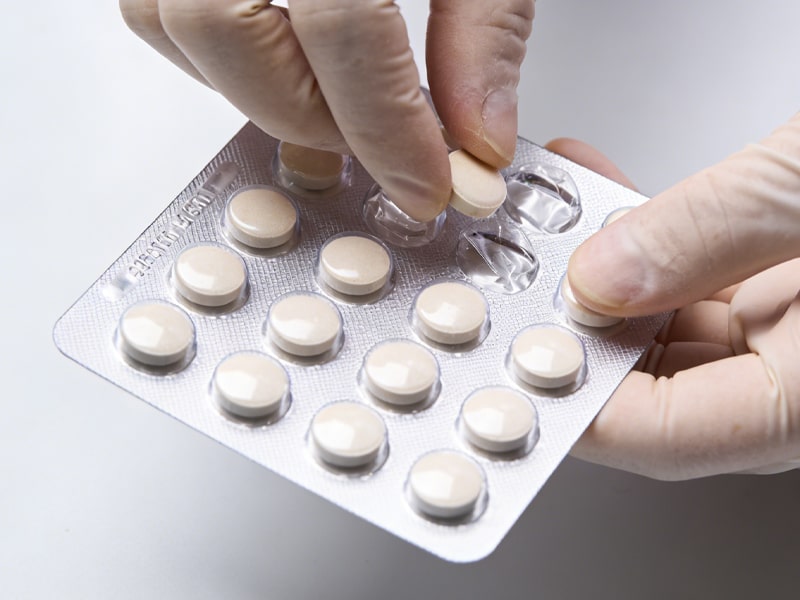
Les avantages deplaquettes thermoformées de médicamentsLeur portée dépasse largement le cadre de l'usine. Pour les patients, le format unidoses offreune clarté et une commodité inégaléesInutile de compter les pilules ; l’emballage lui-même organise et présente le traitement.
Cet outil de gestion visuelle est essentiel. Il transforme l'observance du traitement, qui repose sur la mémorisation, en un simple contrôle visuel. Des études montrent que les médicaments conditionnés sous blister, notamment les plaquettes calendaires, peuventaméliorer l'adhérence de 20 à 30 %pour les thérapies à long terme.
La nature compacte et portable deplaquettes thermoformées de comprimésElles favorisent un mode de vie mobile. Plus faciles à transporter, à ranger discrètement et à intégrer aux routines quotidiennes que les flacons traditionnels, elles lèvent un obstacle pratique à la prise régulière de médicaments.
05 Innovation et tendances futures dans le domaine des plaquettes thermoformées
L'innovation continue de faire progresser la fonctionnalité deemballages sous blister médicaux.Emballage intelligent Ce produit intègre des fonctionnalités telles que des étiquettes NFC ou des codes QR imprimés directement sur l'emballage. Les patients peuvent les scanner avec un smartphone pour accéder aux informations posologiques, vérifier l'authenticité du produit ou recevoir des rappels de renouvellement d'ordonnance.
Un autre domaine clé estconception adaptée aux personnes âgées et à l'épreuve des enfants (CR)Les innovations se concentrent sur la créationplaquettes thermoforméesqui restent sans danger pour les enfants mais sont plus faciles à ouvrir pour les mains arthritiques, souvent grâce à des mécanismes innovants de pelage et de poussée ou à des outils spécialisés.
Enfin, la poussée pourEmballages pharmaceutiques durablesaccélère les progrès en science des matériaux. Le développement de polymères à haute barrière, biosourcés et facilement recyclables est essentiel pour réduire l'empreinte environnementale detypes d'emballage de médicamentssans compromettre la sécurité ni l'efficacité du médicament.

Le choix du conditionnement primaire est une décision cruciale dans le développement d'un médicament. Il se situe à l'intersection de la stabilité du produit, de la conformité réglementaire, de l'efficacité de la production et de l'expérience du patient.
Emballages sous blister médicaux Elle a démontré sa valeur dans tous ces domaines. À mesure que les matériaux évoluent vers une plus grande durabilité et que la technologie s'enrichit de nouvelles fonctionnalités et d'une meilleure accessibilité, son rôle dans la dispensation sûre et efficace des thérapies aux patients du monde entier ne fera que se renforcer. Bien plus qu'un simple contenant, c'est un élément essentiel des soins de santé modernes.

 Jinhai Plaza, No. 21, Jihua 5th Road, Chancheng District, Foshan City, Guangdong Province, China
  +0757 82252350
  +8618613054883
  manager@gdboanmachine.com